

Rome – From Caesars to Popes (Religious Studies Focus Tour)
Rome was the centre of the world, the Caput Mundi, for both Roman polytheistic worship and, post-Constantine, the Catholic world. The Papal State grew in stature throughout the post-classical and medieval period, becoming a powerhouse during the Renaissance and Baroque periods.
The streets of the Eternal City were once crammed with temples to every deity imaginable, and while you can still find those if you know where to look, Rome’s 900+ churches show the dominance of Christianity.
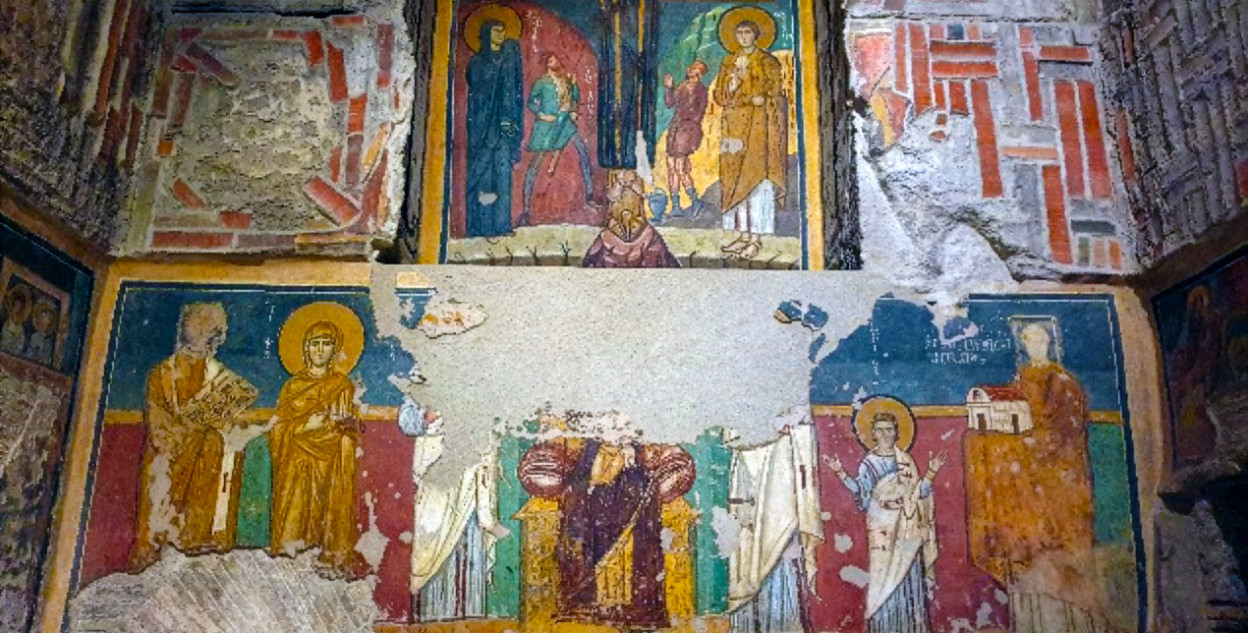
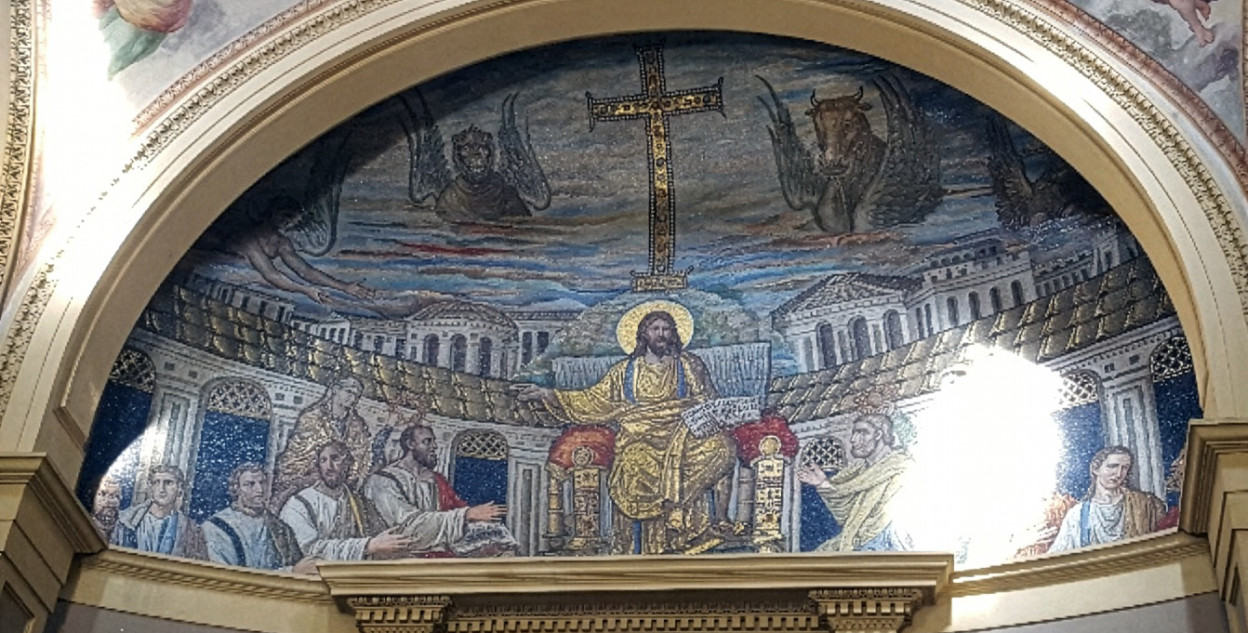
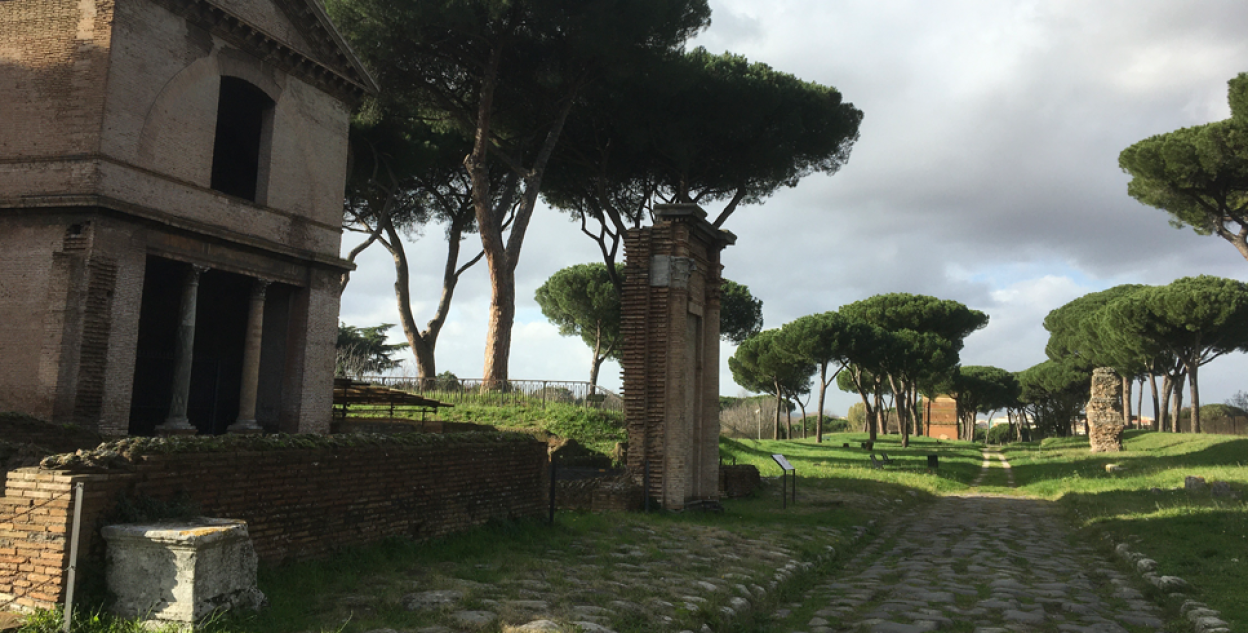
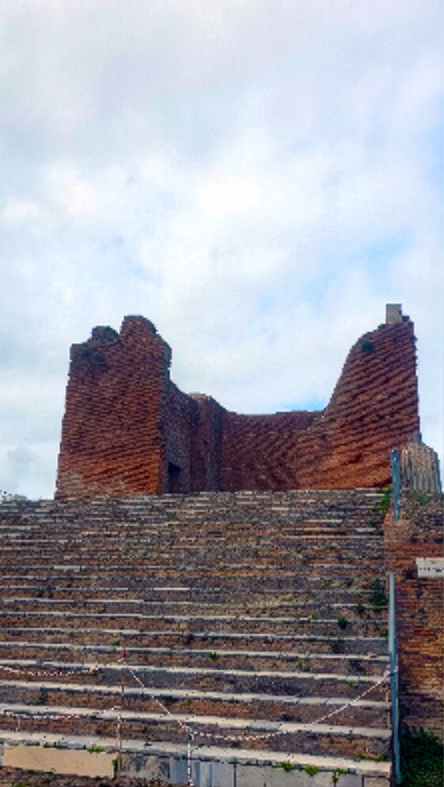
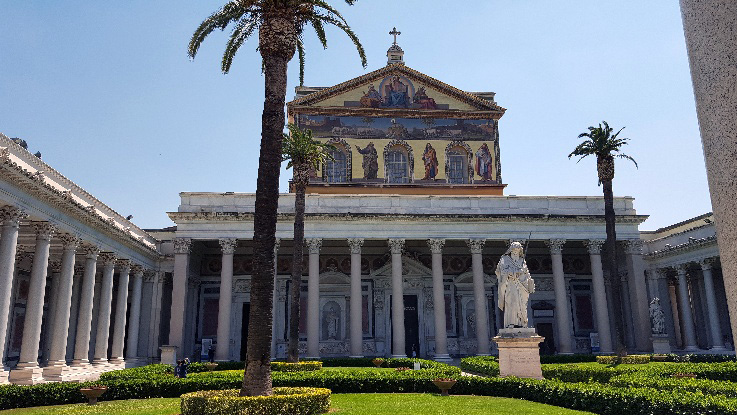
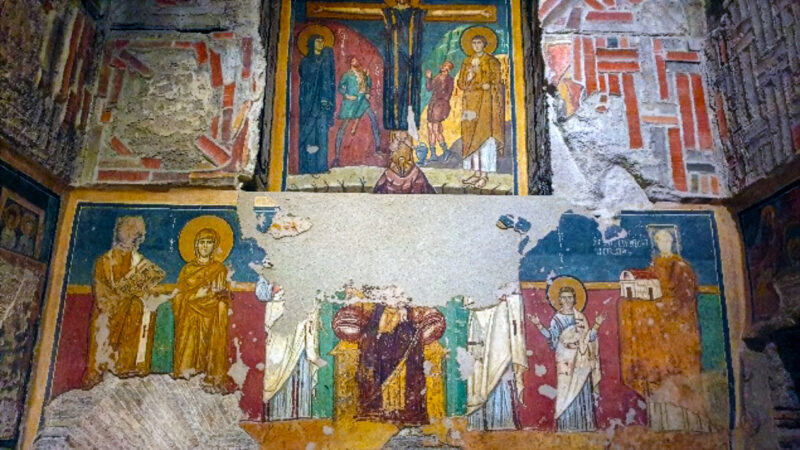
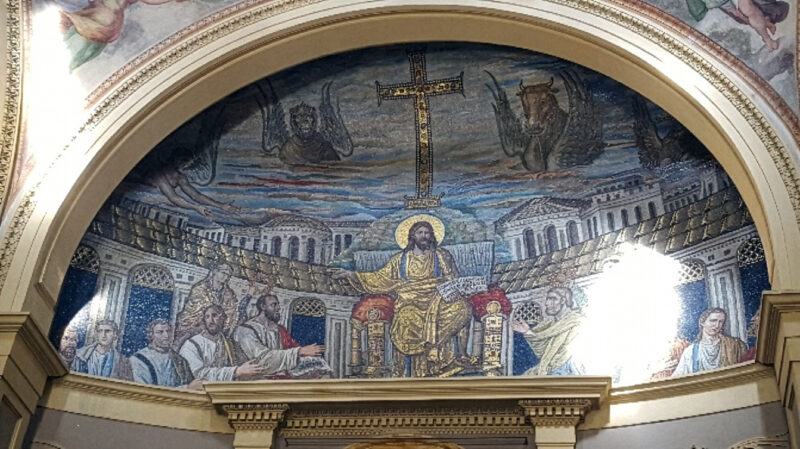
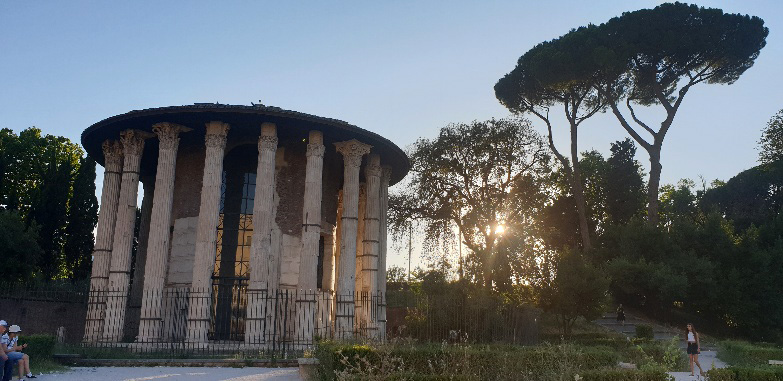
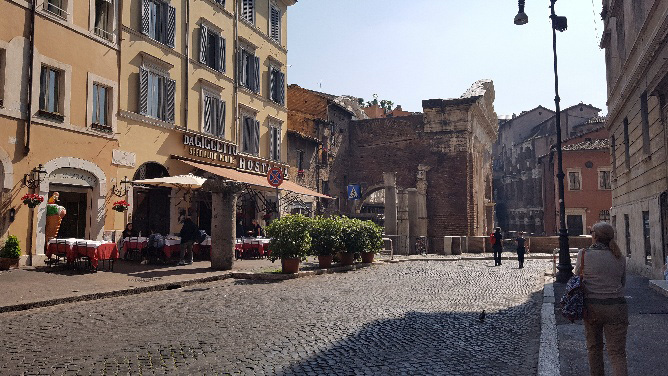
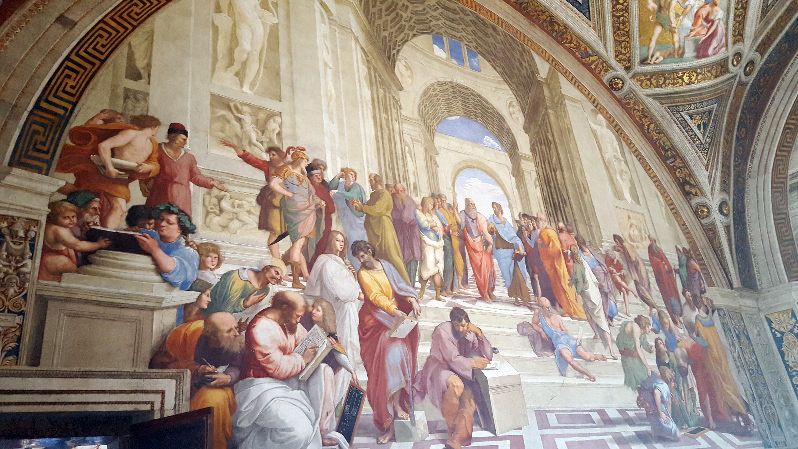
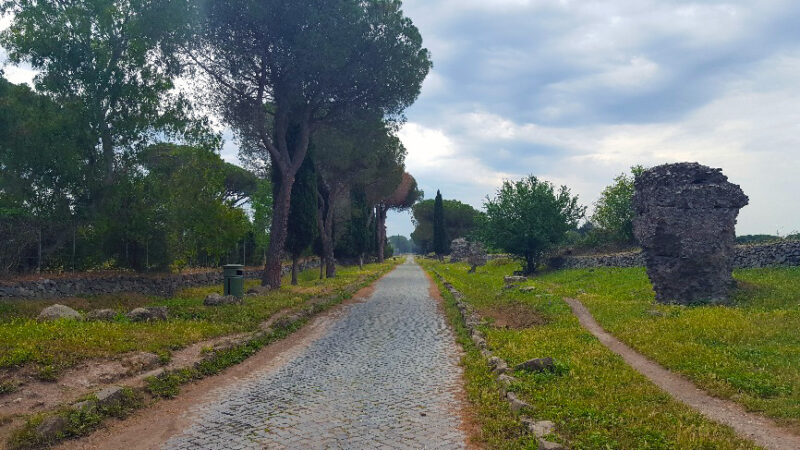
Day 1 Ostia Antica Capitolium On arrival in Rome you will transfer to Ostia Antica, Rome’s first colony, to see the various religious buildings within the site, these include: This will drive home the idea of the movement of religion within the Empire and the importance of port towns on this migration. Upon finishing at the site, you will meet your coach and depart for Rome up the Via Ostiense, where you will have a brief stop at the Major Papal Basilica of Saint Peter Outside the Walls. St. Pauls Outside the Walls’s Papal Portraits One of four Major Papal Basilica, and one of the earliest basilicas in the city – the first iteration was built in the 4th Century AD. While there was damage and restoration works over the centuries, it survived until the 19th century when a fire caused near total destruction, leading to its total reconstruction. Inside you will spot portraits of every Pope. After spending time at the basilica, transfer to your hotel and check in before departing for dinner. Santa Maria Antiqua fresco After breakfast at the hotel, depart for the Roman Forum, the heart of Roman civic life for centuries. Here you will find temples to gods and deified emperors and empresses, butting against shrines and houses for priestesses. If you wish we can include the SUPER Ticket to allow you to enter the oldest church in the Forum – Santa Maria Antiqua, with its wonderful frescoes. Visits can also include the Colosseum and Palatine Hill, or otherwise move on to the Mamertine Prison at the foot of the Capitoline Hill, where Peter and Paul were incarcerated. After lunch, head to San Clemente to see the layers of history, from the current basilica to an earlier Christian one, a Mithraeum and Roman domus before visiting the second Major Papal Basilica, Santa Maria Maggiore on the Esquiline Hill. Originally a 5th Century Basilica it is the largest church dedicated to Mary in the city, it has some absolutely wonderful mosaics from the 5th century in the arch and the nave. Santa Pudenziana Mosaic You can quickly pop across the Santa Pudenziana to see one of the earliest mosaic representations of Jesus, before departing for San Giovanni in Laterano, the most important church in Catholicism, the Major Papal, Patriarchal and Roman Archbasilica, Metropolitan and Primatial Cathedral of the Most Holy Saviour and Saints John the Baptist and the Evangelist in Lateran, Mother and Head of All Churches in Rome and in the World. It is the oldest public church in the city, and seat of the bishop of Rome, the Pope. Across the road sits the Santa Scala. The Sacred Stairs are thought to be the steps from the praetorium of Pontius Pilate in Jerusalem. Saint Helena, mother of Constantine the Great, brought them to Rome in the 4th Century. Make your way to dinner before returning to the hotel. Temple of Hercules Once you have had breakfast, depart on foot for the Forum Boarium, home to one of the oldest surviving temples in Rome – the Temple to Hercules (look at the columns to work out why), the Temple to Portunus, and in the Santa Maria in Cosmedin crypt, the Ara Maxima mentioned in Virgil’s Aeneid. Following the road around you come to the Forum Holitorium with the archaic Sacred Area on Sant’Omobono, and the church of San Nicola in Carcere. You will notice in the church’s walls the remains of Roman temples. Enter the church and pay €3 in situ to go access the basement (in small groups) to see the bottom of the temple podiums. Continue up the road to the Theatre of Marcellus and follow the route at its base to enter the Jewish Ghetto – while walking the streets in the ghetto, keep an eye out for the bronze San Pietrini under your feet that memorialise the Jewish victims of the raid on Oct 16th, 1943. Jewish Ghetto Visit the Synagogue, completed in 1904, and the Jewish Museum, before leaving and finding lunch in the area. After lunch head north past the Largo di Torre Argentina and the 4 Republican period temples there to the Pantheon. Originally built as a temple to all the gods by Agrippa, restored and rebuilt by later emperors, it was converted into a church in the 7th Century and has survived incredibly despite all. Before heading over to Piazza Navona, make sure to check out the church of Santa Maria sopra Minerva. Whilst walking towards the piazza, stop by the church of San Luigi dei Francesi to see 3 of Caravaggio’s masterpieces depicting St. Matthew, or Sant’Agostino in Campo Marzio to see his Madonna di Loreto. Once in Piazza Navona you can enter the Church of Sant’Agnese in Agone, the large 17th Century church that dominates the western side of the Piazza. The Agonalis Obelisk sits in the centre of the Fontana dei Quattro Fiumi, which has its own Papal story, but by now you would have seen most of Rome’s Obelisks, the legacies of ancient Egypt. Crossing the piazza, you can find Santa Maria della Pace with the Cloister of Bramante. Santa Maria is a 15th Century church featuring frescoes by Raphael in the Chigi Chapel that depict the Sibyls, Angels and the four Prophets. The marbles in the Cesi chapel come from the Temple of Jupiter Optimus Maximus. Bramante’s Cloister is now an art gallery, but from the Hall of the Sibyls, you can get an extraordinary view of Raphael’s Sibyls in Santa Maria della Pace. Depart for dinner and then return to your hotel. School of Athens at Vatican Museums Once breakfast is finished, check out, meet your coach and depart for the Vatican Museums. Spend a few hours walking the Museum galleries, spotting the ancient artworks, like the Prima Porta Augustus and the Laocoön and His Sons, as well as the more modern paintings like Raphael’s School of Athens, finishing in the Sistine Chapel, where the Papal Conclave takes place, and home to the wonderful masterpieces of Michelangelo – The Last Judgement and the Chapel ceiling. Leave the Museums, grab some lunch in the Borgo area and then queue for the Basilica of Saint Peter. Described as the greatest of all churches in Christendom, it is one of the greatest works of the Italian Renaissance, designed by Bramante, Michelangelo, Maderno featuring works by Bernini. Supposedly built on the Tomb of Saint Peter, the original basilica was built by Constantine between AD 319 and 333, the new basilica was built over 120 years and 20 Popes starting in the 16th Century. Via Appia Antica If you have an earlier flight, meet your coach and depart for Rome’s airport. If you have the time, you can stop off at one of the catacombs on the tomb-lined Via Appia Antica, to see some of the earliest burial places of Christians. The Catacombs of San Callixtus were the official cemetery of the Roman church in the 3rd Century AD, hosting the remains of around half a million Christians including 16 Popes. After you’ve finished in the catacombs, return to your coach and depart for the airport to fly home. Feel free to contact us to tailor your own tour. 01342 324727 Optional Extras: Any trip can be adapted to include personal favourites or key syllabus sites. Blogs:
If you require a quotation, send us your wish list!
Three Days in Rome
A long weekend in Rome
Walking Rome’s Obelisks