

Cross-Curricular School Trips
Group Leaders already know Classics school trips offer a multidisciplinary experience, blending academic study with practical life skills, languages, history, geography, politics, religious studies, architecture, medicine, sports, maths, geometry, art and design, philosophy, theatre, music, cuisine….the list is endless.
To create well-rounded citizens, the educational systems of Ancient Greece and Rome embraced a holistic approach to learning. Knowledge was not divided into separate subjects but understood as an interconnected whole. In many ways, our modern concept of “cross-curricular learning” simply rediscovers what the ancient world already knew: the real world does not fit neatly into classroom categories.
The Benefits of Cross-Curricular Trips
Cross-curricular school trips deliver advantages that are both practical and educational, creating meaningful opportunities for pupils, staff and schools alike.
Practical Benefits
Not every Classics Department can generate the numbers required to run a trip independently. By collaborating with colleagues across different departments, schools can attract a wider range of students and create trips that are more financially viable. Higher pupil numbers help reduce costs while also raising the profile of participating departments and enabling pupil engagement.
Cross-curricular trips also:
• Reduce financial pressure on parents by combining learning opportunities into a single trip.
• Streamline administration for teaching staff, finance teams and Educational Visits Coordinators.
• Encourage collaboration between departments and strengthen professional relationships across the school.
Educational Benefits
Cross-curricular trips have the power to transform learning by helping students see beyond subject boundaries and understand how knowledge connects in the wider world.
These trips can:
• Enrich classroom learning through first-hand experiences and connect classroom learning to real-world applications.
• Open cultural travel opportunities to a broader school community and encourage students to view the curriculum as an interconnected whole.
• Make complex concepts easier to understand by linking subjects together and develop transferable cross-curricular skills..
• Build confidence and challenge limiting perceptions of academic identity. Students do not have to be “a history person”, “a scientist” or “an artist” to succeed. Every student brings unique strengths and interests.
• Demonstrate how ancient civilisations continue to influence modern society.
• Combine academic study with practical life skills, cultural awareness and personal development.
A Truly Holistic Experience
A Classics trip is one of the most naturally cross-curricular educational experiences available. It combines academic discovery, cultural immersion and essential life skills, offering students a richer understanding of both the ancient and modern world.
The examples below are intended as a starting point for discussion and collaboration with other departments. They are by no means exhaustive, and every itinerary can be tailored to incorporate specific curriculum requirements for each subject, school priorities, personal favourites and departmental interests.
 Religious Studies
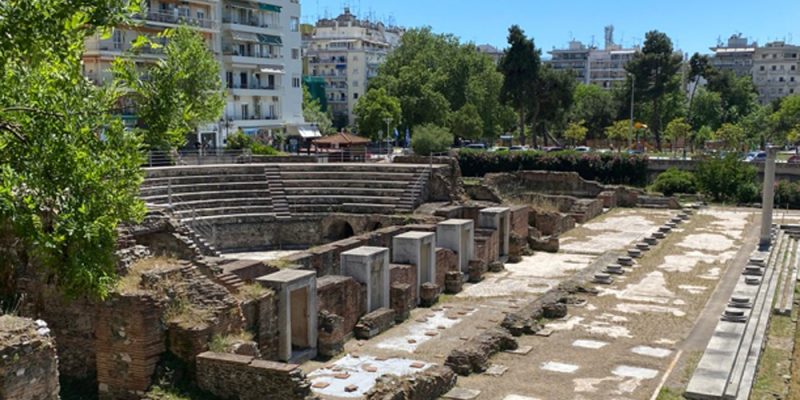
In the Footsteps of St Paul
Saints, Ceasars and Sacred Rome
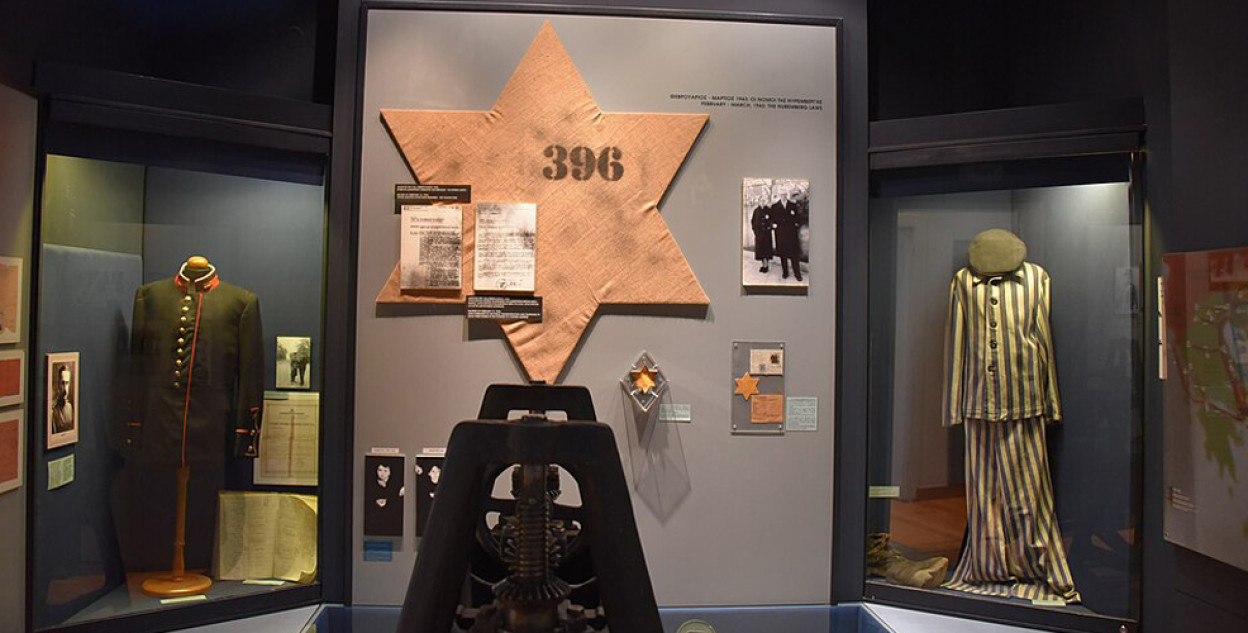
Jewish Museum of Thessaloniki
 Art and Design
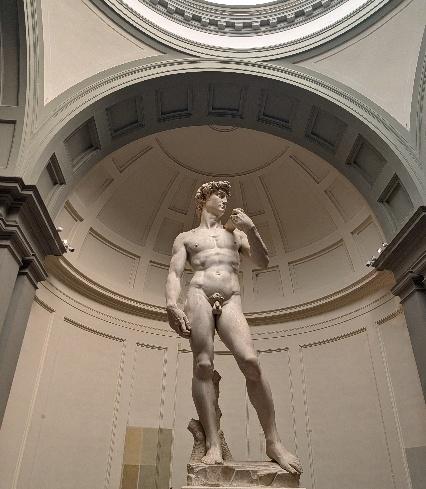
Florence – In the Footsteps of Masters
Rome – Marble, Myths and Masterpieces
 Modern History WWII
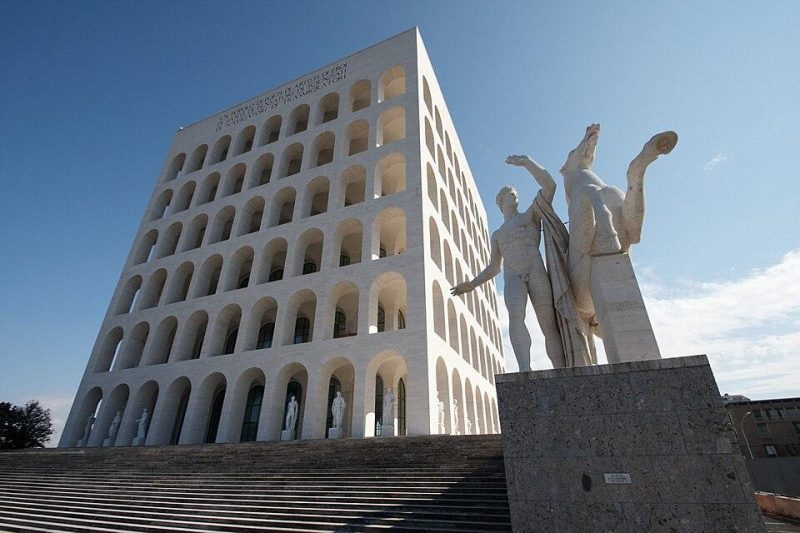
Mussolini and Augustus
Liberation of Italy – World War II
Sicilian Invasion – World War II
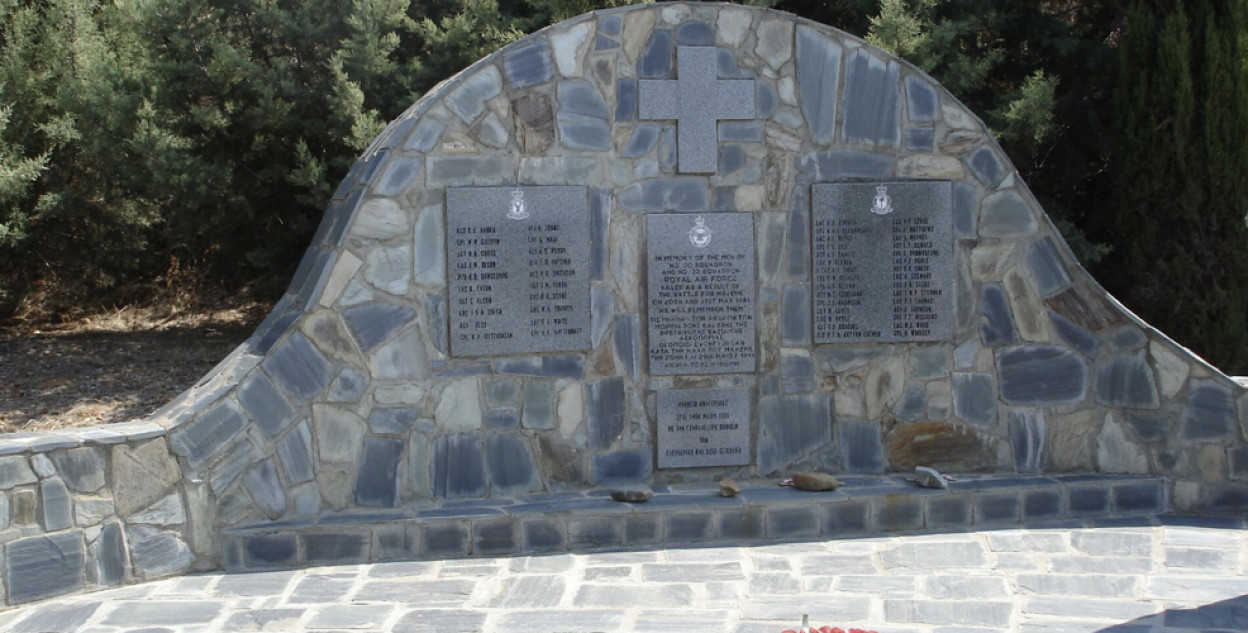
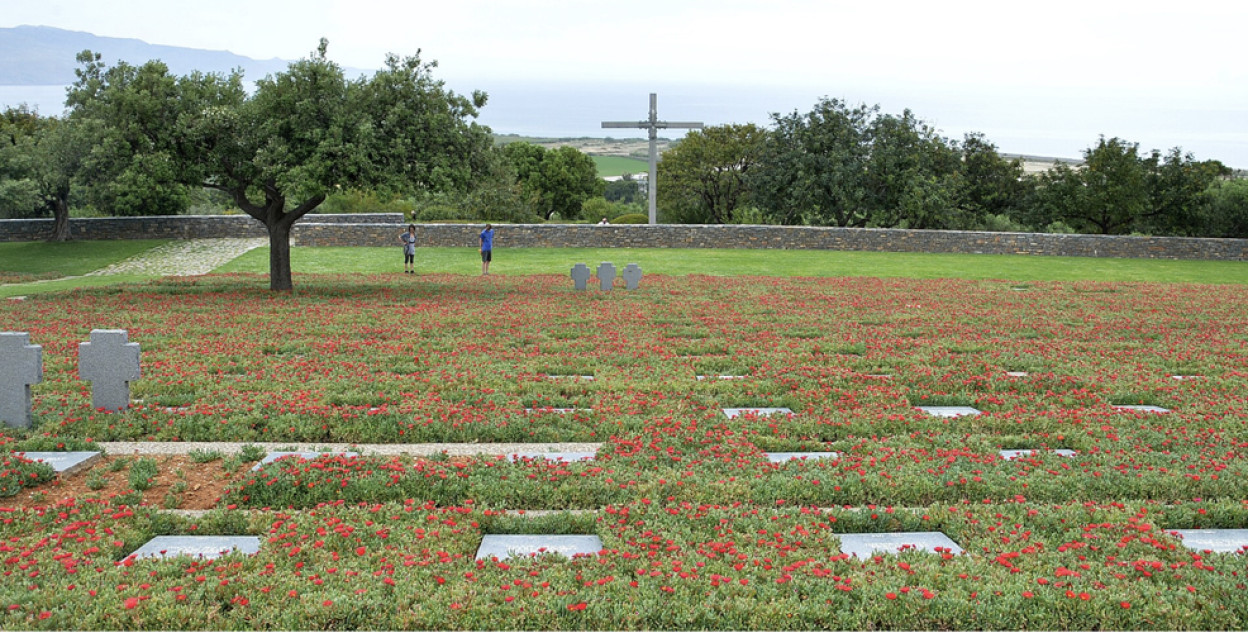
Battle of Crete – World War II
Occupation of Athens – World War II
Jewish Museum of Thessaloniki
 Food Technology – making and tasting!
Athens and the flavours of the Argolid
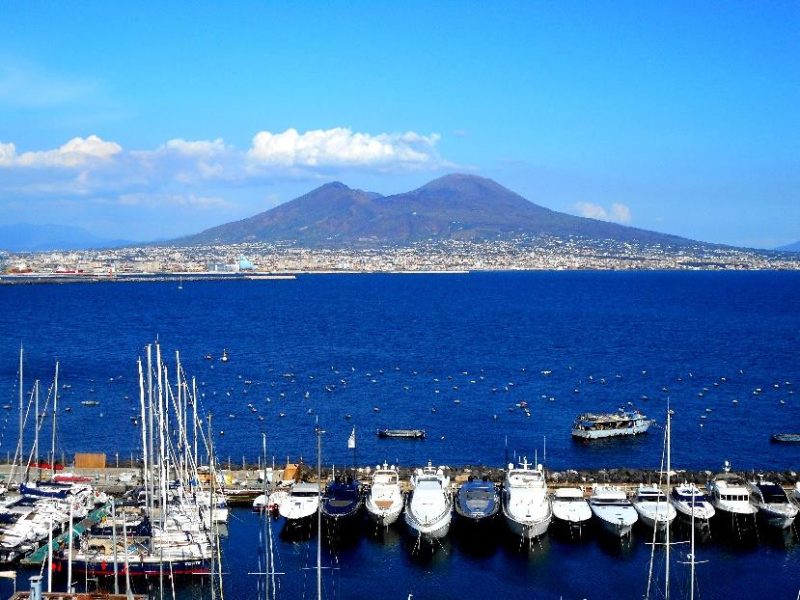
Sorrento and the flavours of Campania