

Sicilian Invasion – World War II
Sicily is one of the most conquered islands in the world – Phoenicians and Carthaginians, Greeks, Romans, Vandals and Ostrogoths, Byzantines, Arabs, Normans, Swabians, French, Aragonese and Spanish, and finally before being incorporated into the unified Italy. All these have left their mark in architecture, language and food. Sicily’s relevance to students of modern history is through its role in the Liberation of Italy, serving as the first landing area and stepping stone for the Allies onto the mainland.
Sadly, much evidence of the Allied Invasion has been erased, even the memorial stone of the signing of the Italian armistice on 3rd September 1943 in a field near Cassibile!
The venues below are not comprehensive by far but are merely suggestions from which to start considering a cross-curricular trip with the Modern History Department. Alternatively, use the opportunity to increase the awareness and knowledge base of your Classicists students in an area where modern and ancient history march side by side.
If you require a quotation, send us your wish list!
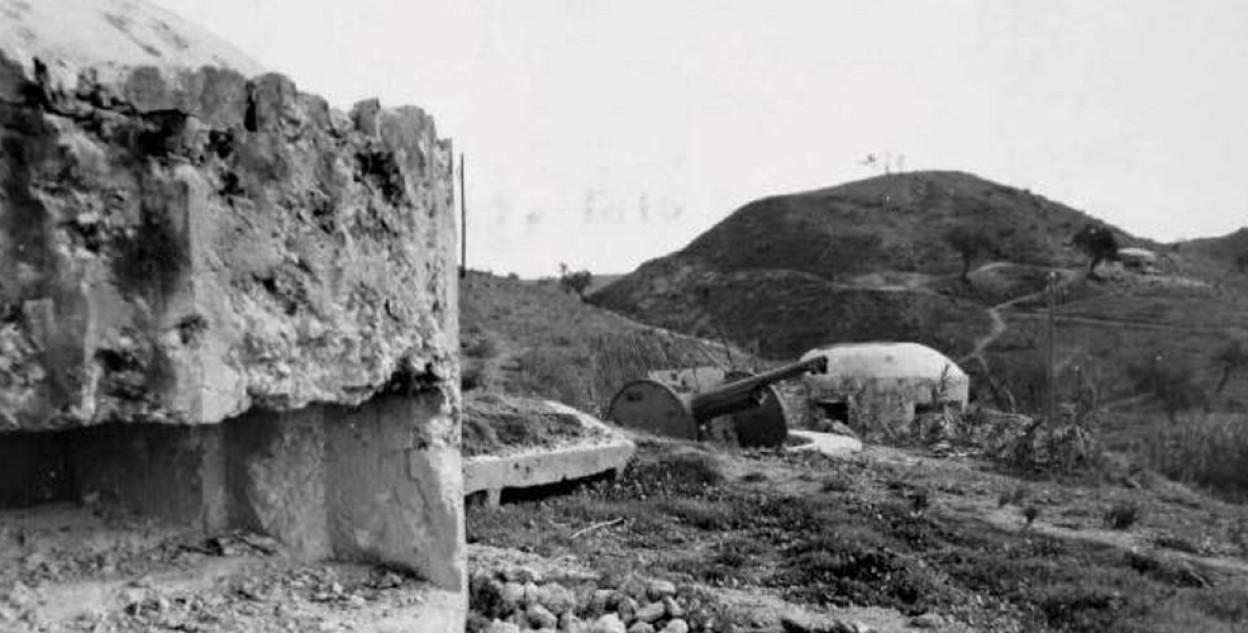
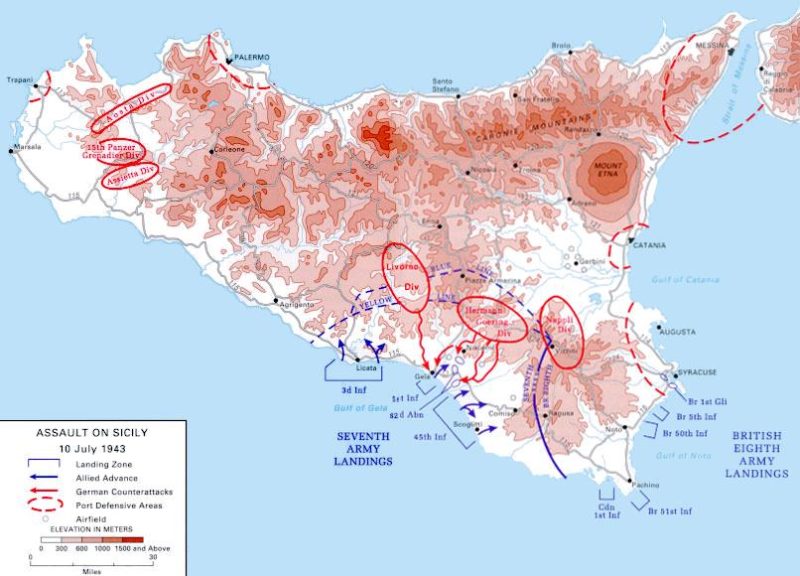
Operation Husky Landing Sites, the U.S. Seventh Army landed in Licata, Gela and Scoglitti during Operation Husky. In Licata today one can still see the Italian defensive bunker at Torre di Gaffa. Other WW2 related sites include the Memorial at Red Beach, the small Landing Museum in the town centre, an air raid shelter, and the now abandoned airfield set up by the Allies after the capture of the town.
In Gela visit the “Wings of Victory” on the beach and near Ponte Dirillo just outside the city is a memorial stone, dedicated to fallen Paratroopers, as well as a pillbox (with graffiti) nearby. A surviving bunker also stands to the north of the city near Castelluccio di Gela.
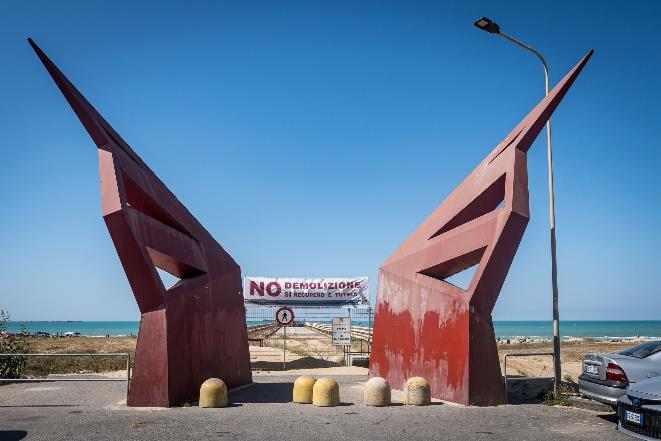
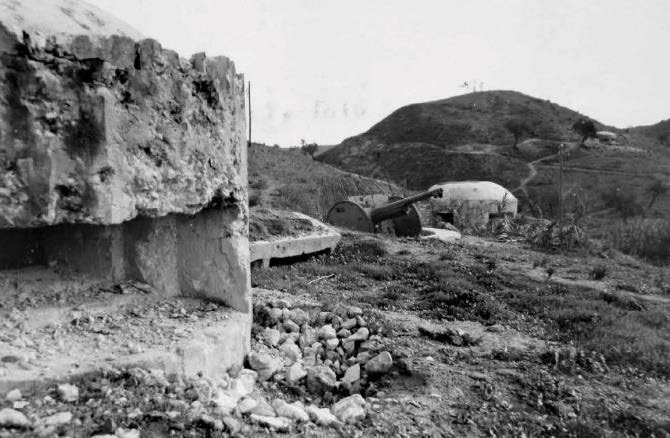
<DMarlin Creative Commons Attribution-ShareAlike (CC BY-SA) License & National Archives
The British Eighth Army landed at Pachino, Syracuse and Avola. In Pachino, visitors can see a monument at the Town Hall and at Porto Ulisse. Operation Ladbroke, a glider operation, experienced mixed fortunes.
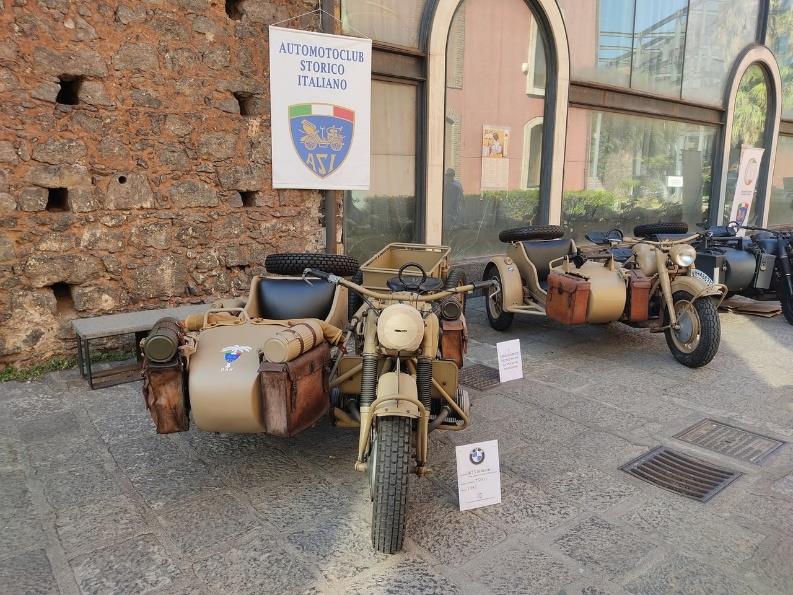
<CC BY-SA (Attribution-ShareAlike)
Museo Storico dello Sbarco in Sicilia 1943, Catania As an immersive and educational museum this would be an excellent first visit. Opened in 2002, it features galleries dedicated to the Allied landing on July 10th 1943, stages of troops advance through Sicily, battles, military hardware, topographical maps and a highly effective immersive small piazza pre and post bombing and air raid shelter.
Do not enter with open drinks! Historical figures are represented in wax, and the route finishes with a tribute to the fallen. In 2017 the Museum installed a permanent exhibition space dedicated to the photos of Phil Stern a USA war correspondent and photographer.
Catania Roman Amphitheatre was used as a wartime air raid shelter.
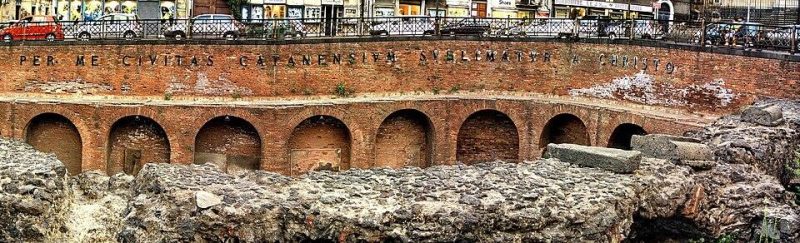
<GNU Free Documentation License
Primisole Bridge, just S of Catania was the site of Operation Fustian where British and German Paratroopers fought along the Simeto River. Ponte dei Malati (named Commando Bridge by Montgomery) an historic bridge ten miles behind German lines near Lentini, was lost by the British.
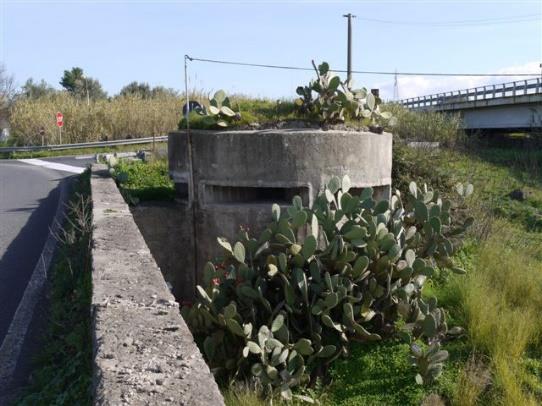
<Punta del Malati Bridge aka 3 Commando Bridge Commando Veterans Archive License: CC BY-NC-ND 4.0
Catania War Cemetery lies 7km south-west from Catania airport. It is part of the Commonwealth War Graves Commission and home to the graves of 2029 casualties.
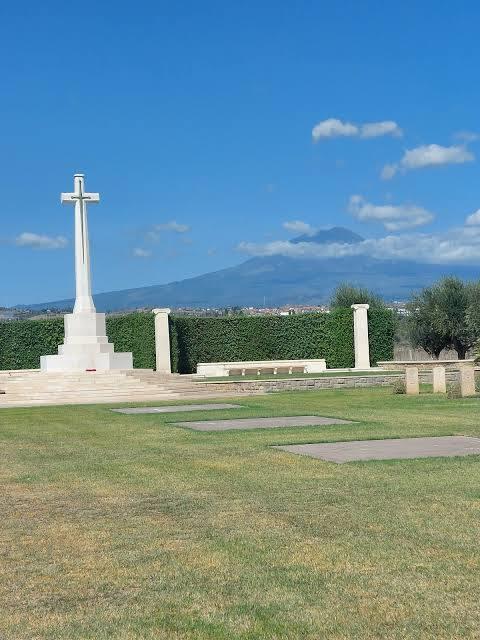
<“The Commonwealth War Cemetery in Catania, Sicily, Italy with Mount Etna in the background. Photo by Richard Brown (December 2005), hosted on Flickr.” Creative Commons Attribution 2.0 Generic (CC BY 2.0).
The German War Cemetery divided into specific provincial courtyards, lies nearby at Motta Sant’Anastasia contains 4,561 fallen soldiers, with 451 remaining unidentified.
Syracuse War Cemetery, Another Commonwealth War Graves site, smaller than that of Catania, it hosts 929 graves of the fallen, including some from the First World War.
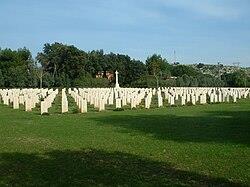
<Syracuse War Cemetery, Sicily. Image via Wikimedia Commons / Free Domain under Creative Commons Attribution-ShareAlike License.
South of Syracuse at the Plemmio Nature Reserve visitors can find numerous coastal batteries and pillboxes.
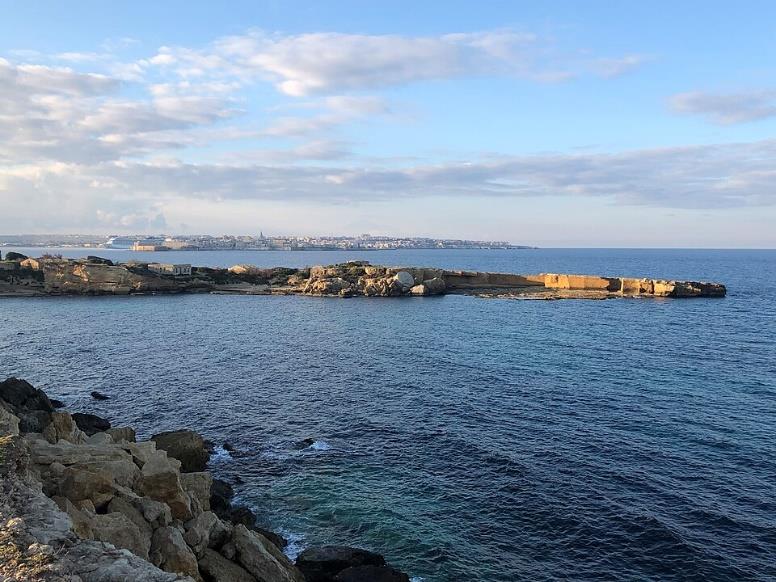
<“Punta della Mola Naval Battery” by Massimo Distefano, via Wikimedia Commons (Licensed under CC BY-SA
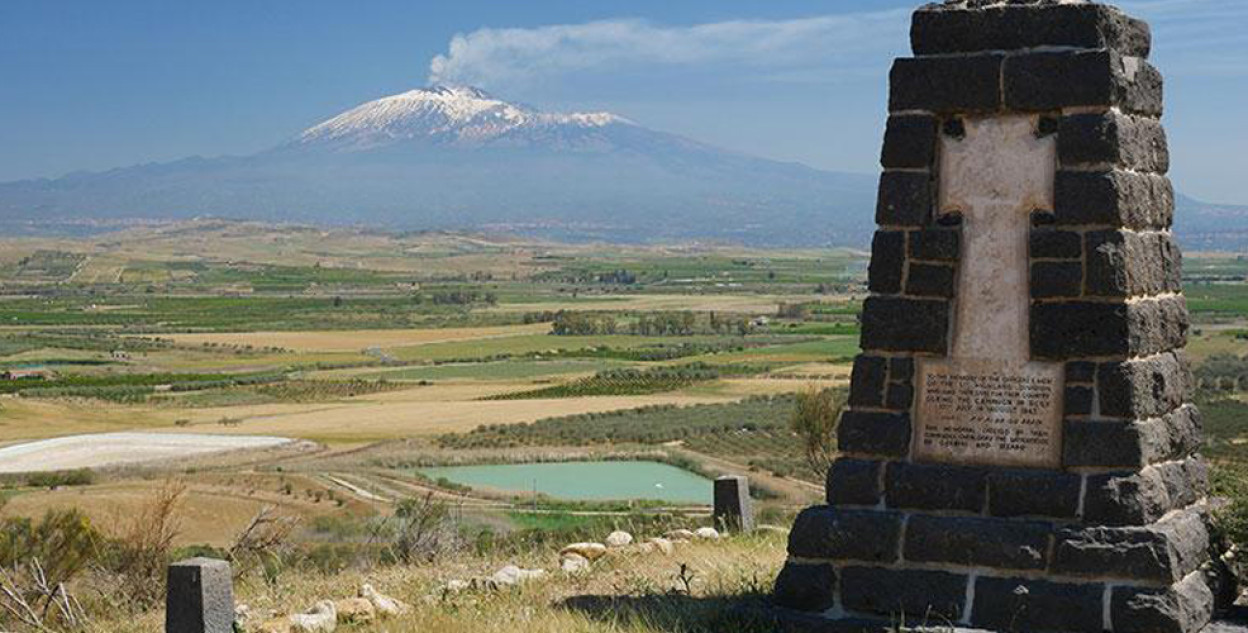
The Sferro Monument, a Celtic Cross commemorating the actions of the 51st Highland Division, November 1943 is 200mtrs off the road but on private farmland.
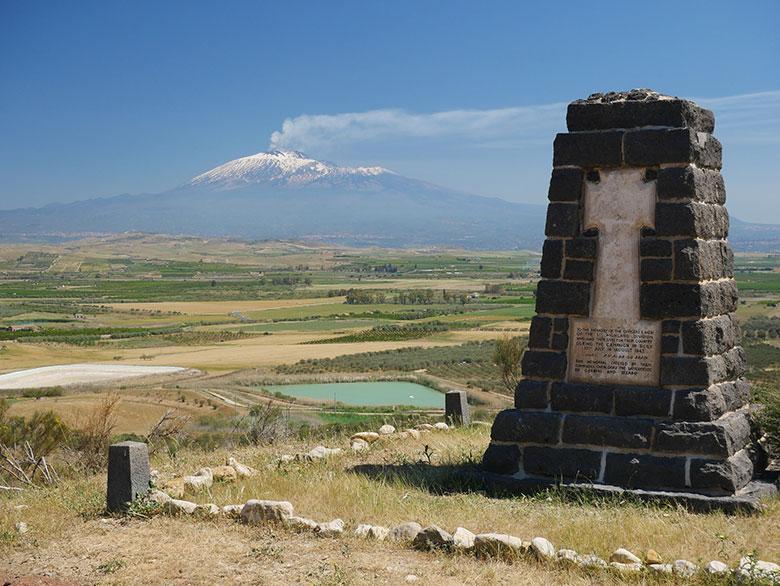
<The Sferro Monument 51st Highland Division Martin Briscoe IWM Memorials Register WMR-75969
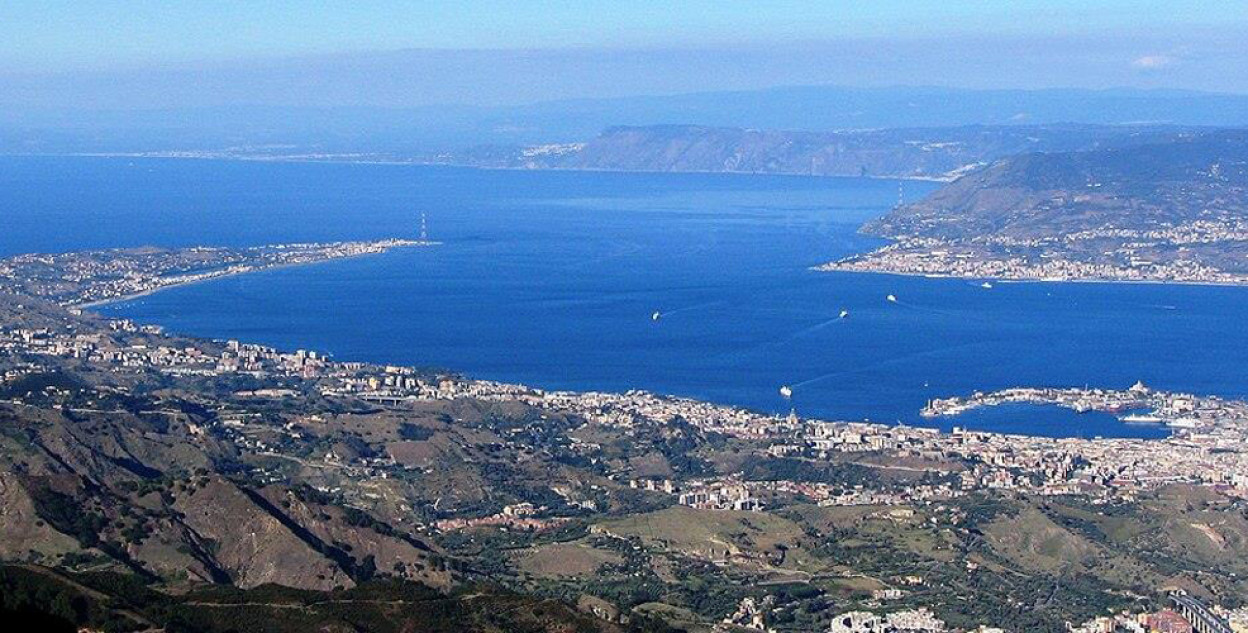
Visit the Sanctuary of Christ the King on Viale Principe Umberto for panoramic views of the Straits of Messina site of German evacuation and Allied pursuit on 27 July. Had this not been successful, the Axis military force in Italy would have collapsed.
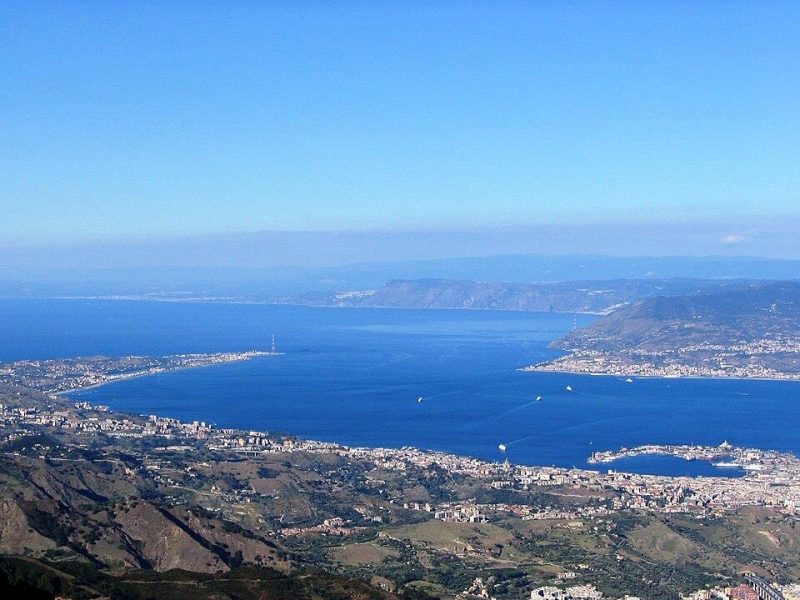
<Straits of Messina from Mount Dinnammare. GNU Free Documentation License
Feel free to contact us to tailor your own tour. 01342 324727
Any trip can be adapted to include personal favourites or key syllabus sites.